
A Good Sales Pitch Is Not the Same as a Strong Development Program
6 Questions Every Family Should Ask Before Joining an Elite Baseball Organization
Every year around this time something interesting begins happening in the Canadian baseball community.
Even though the current season hasn’t even started — with most leagues not beginning until May — players and parents across the country are already being approached about next season. Private tryouts start popping up, conversations begin behind the scenes, and some organizations start pushing aggressively to secure commitments for the following year before the current season has even begun.
For families with players between 14U and 18U, this can create pressure.
Parents start hearing things like:
“We only have a few spots left.”
“We’re building next year’s roster now.”
“We need commitments early.”
And suddenly families feel like they need to make a major decision quickly.
But it’s important to remember something:
Elite baseball is expensive.
Families often invest thousands of dollars each year in team fees, travel, tournaments, equipment, and training. On top of that, players are investing countless hours of their time and development into a program.
Before making that kind of commitment, families should make sure they are asking the right questions.
Because while almost every organization knows how to deliver a convincing sales pitch, the best programs should have no problem providing clear answers, structure, and proof of what they offer.
Here are six questions every player and parent should ask before joining an elite baseball organization.
What Is Your Actual Player Development Plan
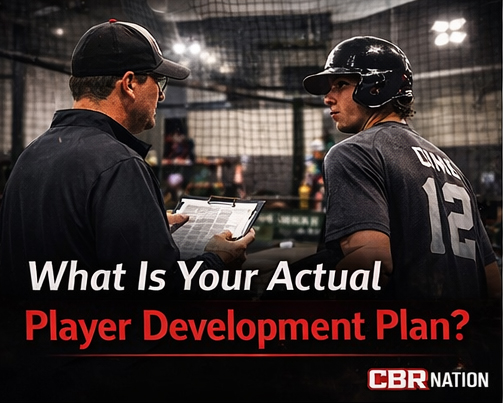
This should be the first question every family asks, because “development” is the most overused word in elite baseball.
Nearly every organization says they focus on development. The problem is that many never clearly explain what that actually means.
Development should not be a slogan. It should be a real plan.
Parents and players should ask questions like:
What does a typical training week look like?
How often do athletes train?
What do practices look like during the season?
What does the off-season development program include?
Do players receive individual feedback?
Is there a plan for hitters, pitchers, catchers, and defensive development?
Most organizations will answer “yes” to that last question.
That’s expected.
But the conversation should not stop there.
Families should follow up with a simple request:
“Can we see what that development plan looks like?”
If an organization truly has a structured development program, it should be very easy for them to show it. Many strong programs have written outlines, development frameworks, seasonal plans, or positional training models they can walk families through.
If the answer suddenly becomes vague, or if the plan only exists as a conversation rather than a structured system, that may indicate the program relies more on practices and tournaments than a clearly defined development model.
At the elite level, families should expect organization and structure, not just good intentions.
What Does Your Strength and Conditioning Program Look Like
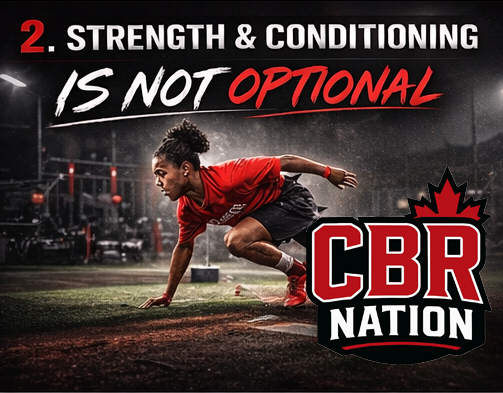
This is a critical question for players between 14 and 18 years old.
Strength, speed, mobility, durability, and overall athleticism are essential components of modern baseball development.
Families should not assume a team has a legitimate strength program simply because they mention workouts.
Ask specific questions such as:
Is there a structured strength and conditioning program?
Who oversees the program?
Is it baseball-specific?
Is it designed for developing athletes?
How often do players train?
Does the program include arm care and injury prevention?
Then take it a step further.
Ask whether the program is run by qualified performance professionals, or if players are simply expected to lift weights on their own.
There is a major difference between a well-designed athletic development program and simply telling athletes to “hit the gym.”
The best organizations understand that developing baseball players means building stronger, faster, more durable athletes, not just improving skill work on the field.

What Success Have Your Players Had With Recruitment — and Can You Provide Examples
Many organizations talk about helping players move on to college baseball.
But this is also one of the easiest areas for programs to exaggerate.
If a program claims it helps players get recruited, families should ask follow-up questions such as:
Which players were recruited?
What schools did they commit to?
What year did this happen?
What tournaments or events were they seen at?
How did the organization help in that process?
Any program can make general statements like “we’ve helped lots of players move on.”
But the strongest organizations will be able to provide clear examples and explain how those opportunities actually happened.
Families should also ask whether those examples are recent, since the baseball landscape changes quickly.
Programs that truly help players advance will have no problem sharing real success stories.
What Tournaments Do You Attend — and Do Those Events Actually Produce Recruiting Opportunities
Not all tournaments are created equal.
Some events feature elite competition and college recruiters. Others may sound impressive but provide little real exposure.
Parents and players should ask:
Which tournaments does the team attend each year?
Which age groups go to which events?
Are college coaches typically present?
Have your players actually been recruited from those events?
Follow-up questions matter here as well.
If an organization says their tournaments provide exposure, ask them to explain which events have led to opportunities for their players.
At the elite level, tournament schedules should serve a purpose beyond simply filling weekends with games.
The best schedules provide high-level competition, recruiting visibility, or ideally both.
Who Are the Coaches and How Involved Are They in Player Development
The coaching environment can define a player’s experience.
Parents should understand not just who the coaches are, but how involved they are in helping players improve.
Questions to ask include:
Who will actually be working with the athletes?
What is their background?
Have they played or coached at high levels?
How long have they been with the organization?
How do they communicate with players and parents?
Elite athletes benefit from coaches who are focused on long-term development, not just winning games.
The best coaches teach the game, communicate clearly, challenge players to improve, and help athletes navigate adversity.
How Do You Measure Whether a Player Is Actually Improving

This may be the most important question families can ask.
Many organizations talk about development, but very few actually measure it.
Parents and players should ask:
How do you track player progress over time?
Do players receive evaluations or reports during the season?
Are there benchmarks for improvement?
Do you track performance metrics for hitters and pitchers?
How often do players receive feedback?
If an organization says they provide player evaluations or development reports, families should feel comfortable asking to see a sample of those reports.
Organizations that truly provide evaluations will usually have examples they can share (with personal details removed).
This allows families to understand how progress is tracked and what type of feedback players receive throughout the season.
If those reports exist, sharing an example should be easy.
The best programs don’t just say players are improving — they show it through measurable progress and structured feedback.
FINAL THOUGHTS
This is an important time of year for many families.
As organizations begin recruiting earlier and earlier, it becomes easy to feel rushed into making a decision.
But families should remember:
A good sales pitch is not the same as a strong development program.
Take the time to ask questions. Ask follow-up questions. And don’t hesitate to ask organizations to show examples of the systems they claim to have in place.
The right organization should welcome those questions.
Because when a program truly believes in what it offers, it should have no problem backing up its words with clarity, structure, and proof.
At Canadian Baseball Rankings, our goal is to support players and families by helping them navigate the elite baseball landscape and make informed decisions about their development.
The right environment can make a major difference in a player’s journey.
Make sure you ask the right questions before making that commitment.
COMING SOON
CBR ACADEMY …